Time of Use Battery Savings: Does the Math Add Up?

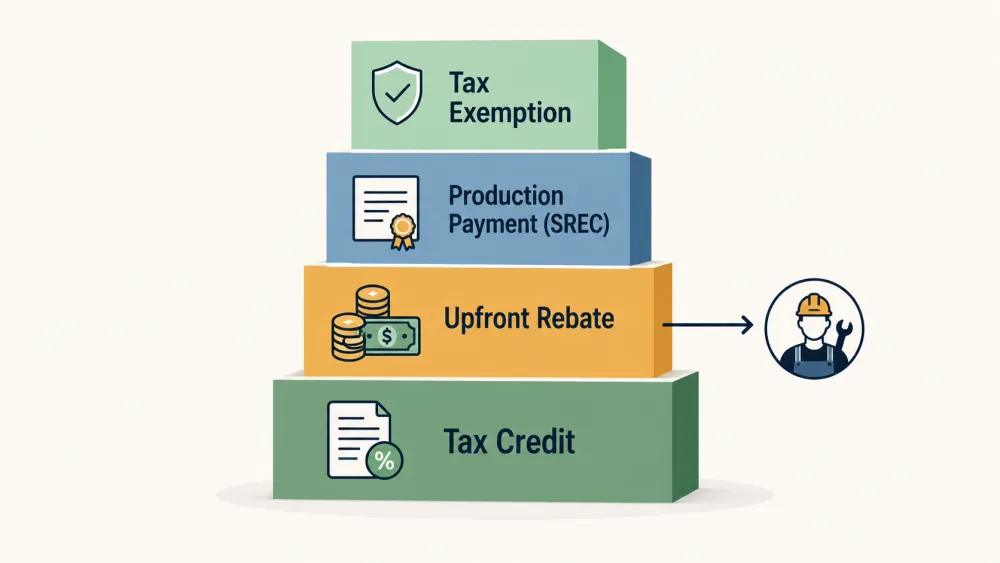
State solar incentives are not one thing, and that is why "can I stack them" has no general answer. They come in four structurally different forms: a state income tax credit, an upfront rebate or vendor incentive, a production based payment tied to renewable energy certificates, and a tax exemption. Only some of them ever put money in your hand, and at least one common form pays your installer rather than you. With the federal residential credit under Section 25D having expired at the end of 2025, the state layer is now doing more work in a homeowner's arithmetic than it has in years, which makes knowing which form you are being offered more important than knowing its headline size.
Sources for this article were verified against state agency and program administrator materials at the time of writing. This is general information, not tax advice, and it is not a statement of what you qualify for. State programs open, close, change and run out of funds independently of this page. Confirm with the program itself and with a qualified tax professional.
This reduces what you owe your state at tax time. It does not arrive as a check unless the credit is refundable, and many are not.
New York is a documented example worth understanding as a template. New York State's tax authority states that the solar energy system equipment credit "is equal to 25% of your qualified solar energy system equipment expenditures and is limited to $5,000." It is available where the equipment is installed and used at your principal residence in New York State. It is not refundable, but "any credit amount in excess of the tax due can be carried over for up to five years." Notably, the credit's eligibility conditions extend beyond purchase to a written lease of solar equipment and to a written agreement spanning at least ten years for the purchase of power generated by equipment you do not own.
That last detail is unusual and worth flagging: a state credit that reaches lease and power purchase agreement customers behaves very differently from the expired federal residential credit, which required ownership. Section 48E: Why Leases and PPAs Still Get a Federal Credit covers the federal side of that distinction.
Only New York's own rules are described here, because a credit is a creature of one state's tax code and no summary transfers.
These reduce the price. The critical question is who receives the payment, and it is not always you.
Illinois Shines is a documented example of the vendor routed form. The program is statutorily known as the Adjustable Block Program and is administered by Energy Solutions on behalf of the Illinois Power Agency, an independent state government agency. It works through the purchase of renewable energy credits by Illinois utilities, and the program's own materials state that the incentives go to approved vendors and "may be passed on to customers as savings."
"May be passed on" is doing a great deal of work in that sentence, and it is the single most useful phrase in this article. In a structure like that, the incentive is real, the money is real, and whether any of it reaches you is a function of how your vendor priced your system. You cannot verify that by asking whether the state has a program. You verify it by asking your vendor to show you, in the contract, what the incentive is and how it is reflected in your price.
Rather than cutting the purchase price, these pay per unit of electricity generated, usually over a defined contract term, and usually by way of renewable energy certificates. SRECs Explained, and How to Tell If Your State Has Them covers that instrument in detail, including the fact that selling the certificates transfers the environmental claim along with them.
The thing to check here is the term and the counterparty. A payment stream over many years is worth less than the same total paid today, and it carries the risk that the program or the buyer changes.
Property tax exemptions and sales tax exemptions do not pay you anything. They prevent a cost from arriving. A property tax exemption typically stops the assessed value added by the system from raising your property tax bill, and a sales tax exemption removes tax from the purchase.
These are the quietest and often the most durable incentives, and they are almost never included when a sales proposal totals up "incentives available in your state," because they do not produce a line item you can point at.
The word implies you add them up. In practice, four questions decide whether a stack is real.
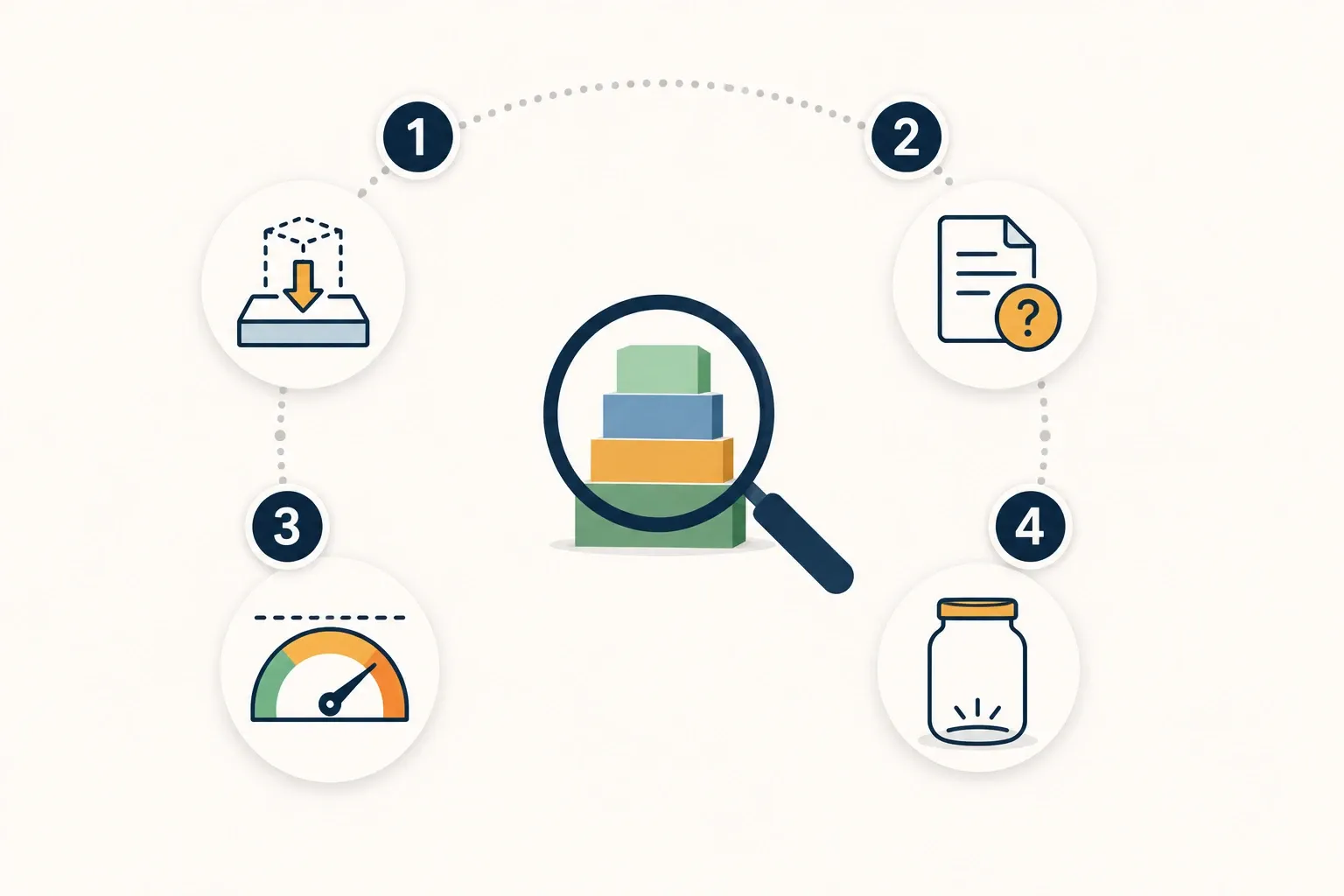
Does one reduce the base of another? Some incentives are calculated on your net cost after other incentives. A rebate that lowers your system cost can therefore lower a credit calculated as a percentage of that cost. This is a tax question specific to your situation and it is exactly where a qualified tax professional earns their fee.
Is any of it taxable? Some incentive payments are treated as income. This page will not tell you which, because that depends on the program, the form of the payment and your circumstances.
Is it capped, and against what? Caps come as dollar limits, as percentages of system cost, and as capacity limits in kilowatts. New York's credit, for example, is limited to $5,000 as well as being a percentage.
Is it funded and open? Rebate programs frequently operate on allocated budgets and close when the money runs out, sometimes mid year. A program that exists on paper and has no remaining funds is not an incentive, it is a queue.
Proposals routinely present a total incentive figure that mixes all four mechanisms into one number, which makes a tax exemption look like cash and a vendor incentive look like your money.
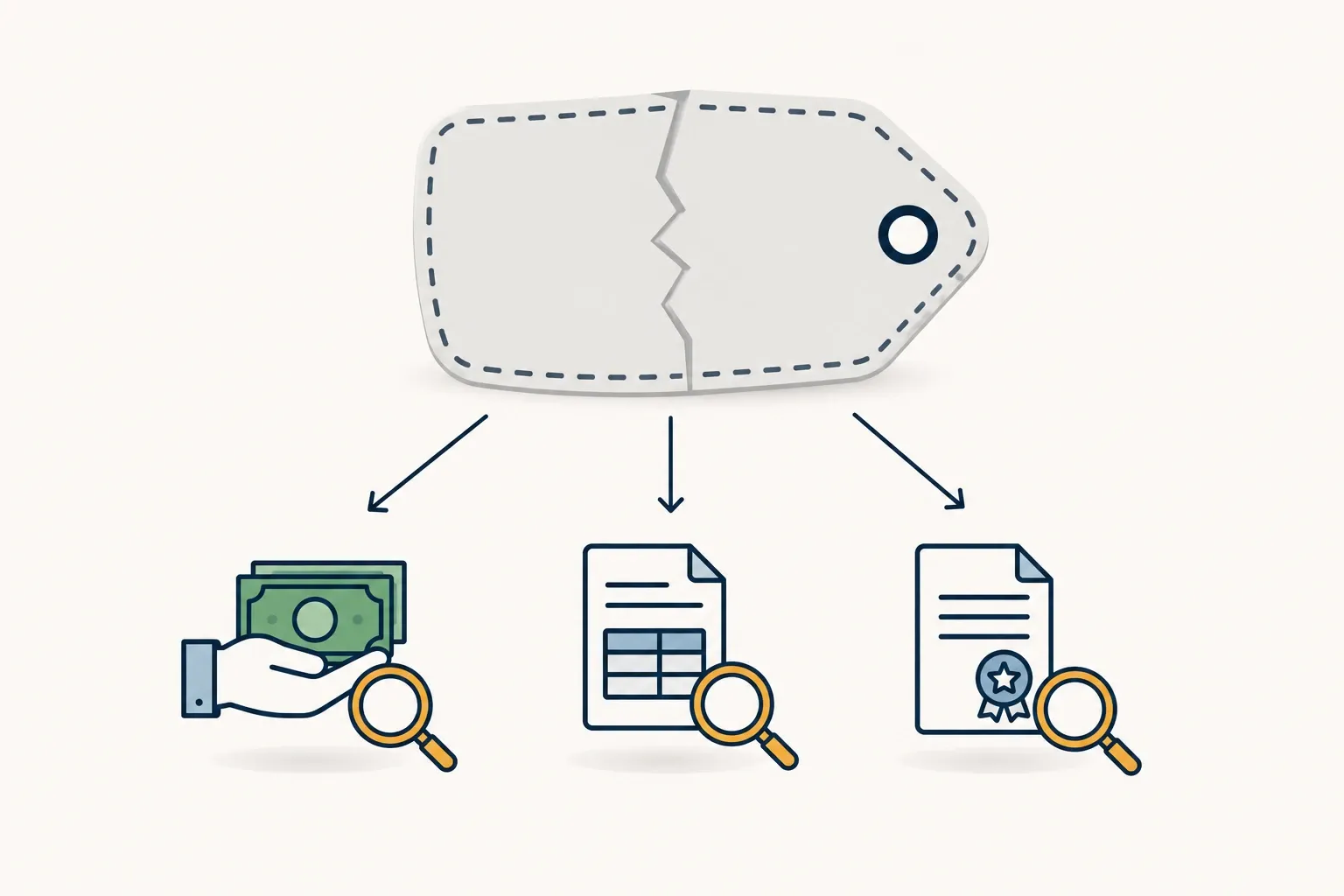
Three questions unpick it, and they work on any proposal in any state.
DSIRE, the Database of State Incentives for Renewables and Efficiency, is operated by the N.C. Clean Energy Technology Center at N.C. State University and covers all US states, the District of Columbia, US territories and federal policies. It is the standard first stop for finding out what exists in your state.
Use it to get program names, then go to the issuing body for terms. A database entry tells you a program exists. The program administrator tells you whether it is open, funded and applicable to you, and only the administrator's own document is worth building a decision on.
This page names two state programs, because two could be verified against their own issuing bodies in the time available. It does not publish a list of state rebate amounts, does not rank states, and does not tell you what you qualify for. It also cannot tell you whether solar makes sense for your household once these are counted: Are Solar Panels Still Worth It in the US in 2026? and Solar Incentives in the US in 2026: What Actually Survived are the places that argument is made, and Hidden Costs of Solar Panels covers what tends to be missing from the other side of the ledger.
Are there still state solar rebates in 2026? State level programs exist and are set independently of federal law, so the expiry of the federal residential credit at the end of 2025 did not end them. What exists varies by state, utility and program funding. DSIRE, operated by the N.C. Clean Energy Technology Center at N.C. State University, is the standard place to check your own state.
Can I combine a state rebate with a state tax credit? Sometimes, but the interaction matters more than the answer. Some incentives are calculated on your cost net of other incentives, some are taxable, and most are capped. Confirm the specific interaction with the program administrators and a qualified tax professional before counting on a combined total.
Does New York still offer a solar tax credit? New York State's tax authority describes a solar energy system equipment credit equal to 25% of qualified expenditures, limited to $5,000, for equipment installed and used at a principal residence in New York State. It is not refundable, but excess credit can be carried over for up to five years. Confirm current terms with the state before filing.
Why did my installer's incentive total not reduce my price? Because some state incentives are paid to approved vendors rather than to homeowners. Illinois Shines, for example, states that incentives go to approved vendors and may be passed on to customers as savings. Ask your vendor to show where in your contract the incentive is reflected in your price.
Do property tax exemptions save me money? They prevent a cost rather than pay you. Where a state offers one, the value the system adds to your home is typically excluded from your property tax assessment. It is real, but it never arrives as cash and should not be presented in a proposal as though it does.
One email a week with new guides, tips, and solar news. Zero fluff, no sales pitch.